Low-impact conditioning is one of the most reliable ways to build strength, endurance, and long-term health without beating up your joints. This approach blends joint-friendly cardio, controlled strength training, and smart recovery so your body can get stronger without unnecessary wear and tear. Because low-impact conditioning for long-term health focuses on sustainability, it works for beginners, busy adults, and anyone rebuilding their fitness foundation
Why Low-Impact Conditioning Matters for Longevity
Your body thrives when you move consistently, but it also needs training that respects your joints. Low-impact conditioning reduces mechanical stress on cartilage and connective tissue, which helps people with pain, stiffness, or chronic conditions stay active. When you follow evidence-based guidelines, even moderate-intensity movement can lower your blood pressure, improve metabolism, and support long-term cardiovascular health. Because these workouts feel better on the body, people stick with them longer—and consistency is the real engine of longevity. Read more: Low-Impact HIIT for Beginners: Burn Fat Without the Joint Pain
Low-Impact Cardio That Builds Heart Health Without the Pounding
Low-impact conditioning shines when it comes to cardio. Walking, cycling, swimming, rowing, and elliptical training all raise your heart rate without the repetitive impact of running or jumping. Even a brisk 30-minute walk most days meets foundational aerobic guidelines and supports heart health. As your conditioning improves, your body becomes more efficient at using oxygen, managing inflammation, and recovering between sessions. These benefits compound over time, especially when paired with strength training, 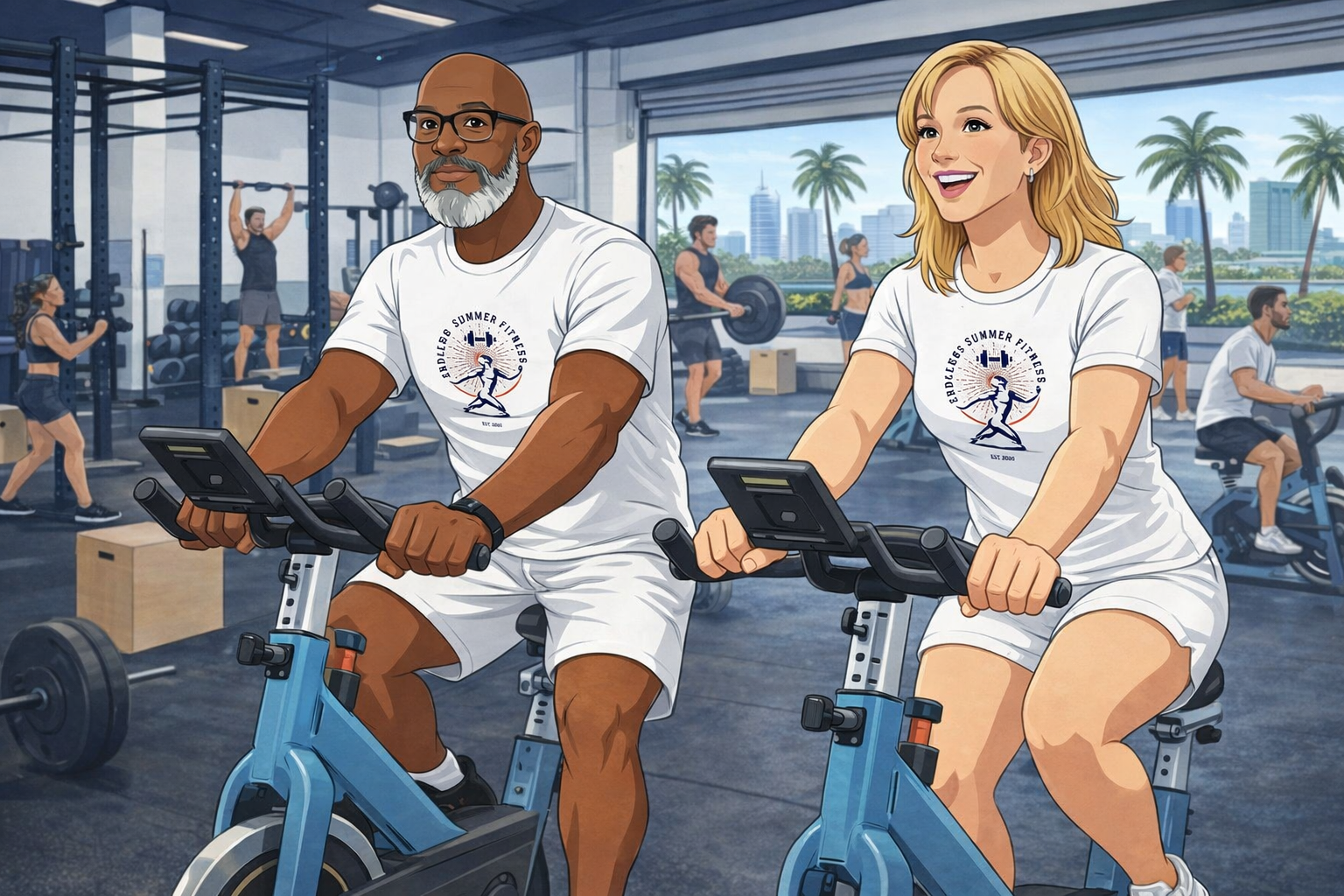
Joint-Friendly Strength Training That Still Builds Muscle
Strength training doesn’t need to be high-impact to be effective. Low-impact conditioning uses controlled tempo, stable positions, and full-range movements to build muscle without stressing your joints. Exercises like box squats, hip hinges, rows, and presses strengthen the major muscle groups that support posture, balance, and daily movement. Research shows that resistance training—even at moderate loads—improves strength, mobility, and metabolic health when performed consistently. This is the foundation of hybrid fitness: strong muscles, healthy joints, and a body that can handle life. Additional Information on: Low-Impact Lower Body Strength Training Made Simple
Hybrid Conditioning: The Sweet Spot Between Strength and Endurance
Hybrid fitness blends strength and cardio so your body becomes capable in every direction. Low-impact conditioning fits perfectly into this model because it lets you train more often without burning out. A simple hybrid week might include:
- 3 strength sessions (lower, upper, full-body)
- 2 low-impact cardio sessions
- 1 active recovery day
This structure builds muscle, improves endurance, and keeps your joints happy. Periodizing your training—increasing intensity for a few weeks, then backing off—helps you progress without overtraining. 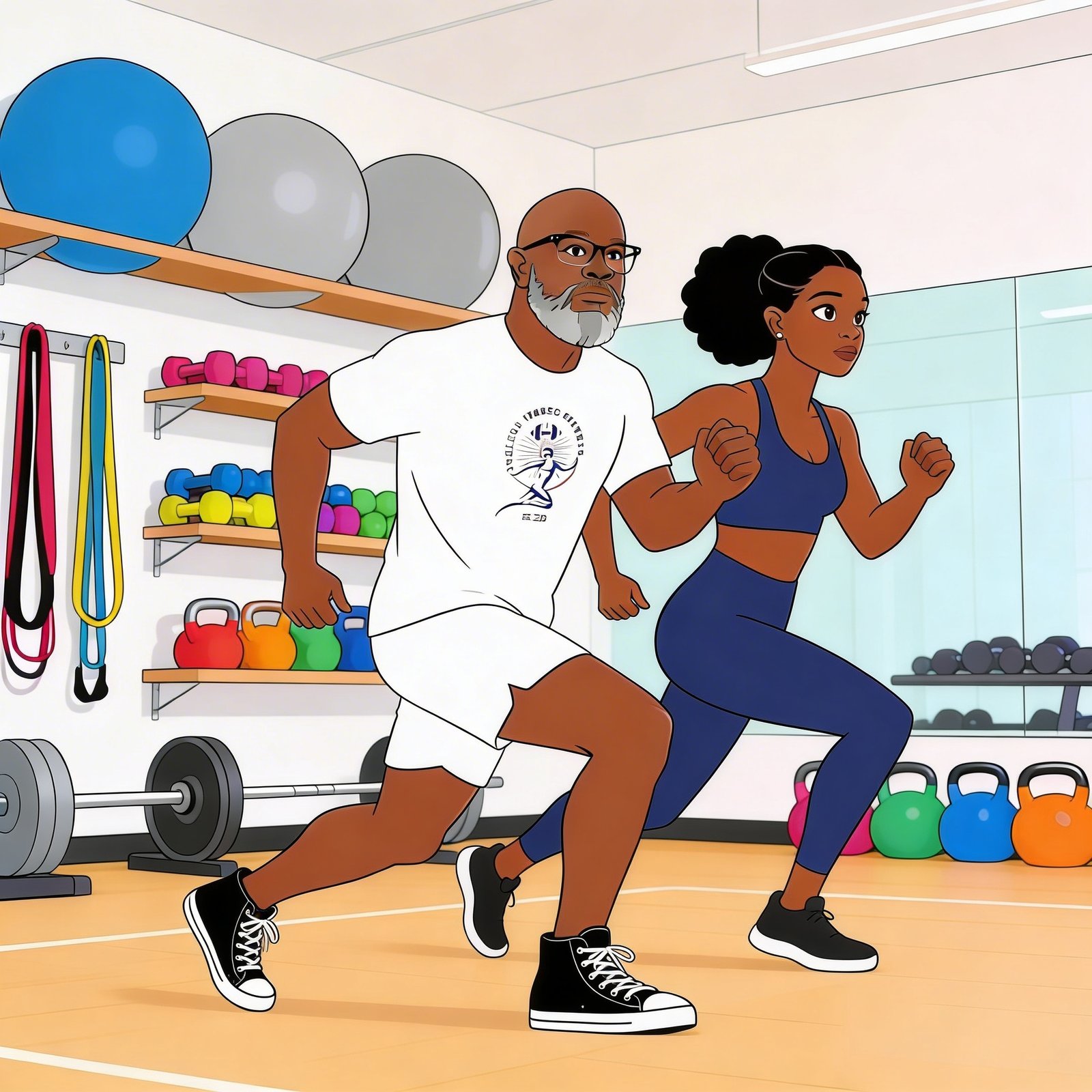
Movement Quality and Mobility: The Foundation of Low-Impact Training
Good movement makes everything easier. Low-impact conditioning emphasizes mobility drills, core stability, and movement prep before harder work. Just 5—10 minutes of dynamic mobility can improve joint range of motion, reduce stiffness, and enhance performance. Corrective exercises also help address imbalances that lead to chronic pain. When your body moves well, you train better—and you stay in the game longer.
Recovery Strategies That Keep You Training for Years
Recovery isn’t optional—it’s part of the program. Sleep, hydration, protein intake, and active recovery sessions help your body adapt to training. Low-impact conditioning uses gentle movements, such as mobility flows or easy cycling, to promote circulation and reduce soreness. Anti-inflammatory nutrition and occasional soft-tissue work also support long-term joint health. These habits make your training sustainable, which is the real key to long-term health Recovery-for-hybrid-athletes: Beginner Mobility Routine to Reduce Stiffness: Hybrid Guide
A Simple 4‑Week Low-Impact Hybrid Plan
Here’s a beginner-friendly structure you can repeat or scale:
Day—Strength (Lower Body)
Boc squats, Romanian deadlifts, banded lateral walks
Day 2—Low-Impact Cardio
30-40 minutes cycling or brisk walking
Day 3—Strength (Upper Body)
Incline push, seated row, banded shoulder work
Day 4—Active Recovery
Mobility flow + light swim or elliptical
Day 5—Hybrid Intervals
2 minutes moderate / 2 minutes easy for 2—25 minutes
Day 6—Strength (Full Body)
Goblet squat, single-leg RDL, planks
Day 7—Rest or gentle walk
This plan builds strength, endurance, and movement quality without overwhelming your joints.
Monitoring Intensity and Staying Safe
Use RPE (Rate of Perceived Exertion), heart rate zones, and movement quality to guide your sessions. Most low-impact conditioning falls within the moderate-intensity zone—challenging yet sustainable. If joint pain increases, reduce load or impact and reassess. Listening to your body keeps your progress steady and safe.
Why Low-Impact Conditioning Works for Older Adults and Chronic Pain
Low-impact conditioning is ideal for older adults, beginners, and anyone managing chronic pain. Evidence shows that tailored resistance and aerobic programs reduce disability, improve function, and support independence. Gradual progression, stable positions, and controlled movement make this training style accessible and effective. Internal Link: /training-for-older-adults
Nutrition and Inflammation: Small Changes, Big Results
Nutrition plays a major role in recovery and inflammation. Prioritize:
- Lean protein
- Colorful fruits and vegetables
- Hydration
Protein timing around workouts supports muscle repair, while anti-inflammatory foods help reduce soreness and improve joint comfort. These habits amplify the benefits of low-impact conditioning.
Staying Consistent Without Burning Out
Start small. Build gradually. Track simple metrics like minutes trained. RPE and reps completed. Variety helps too—swap cycling for swimming or walking for rowing to keep things fresh. Consistency beats intensity every time. Low-impact conditioning makes that consistency possible.
When to Get Professional Guidance
If you have medical conditions, recent injuries, or persistent pain, consult a qualified professional. A coach or clinician can tailor low-impact conditioning to your needs and help you progress safely.
References
- American College of Sports Medicine. Physical Activity Guidelines and Recommendations.
- Chen J. et al. Effect of exercise based on ACSM recommendations on blood pressure and heart rate in hypertensive patients. PMC.
Summary
Low-impact conditioning gives you a sustainable path to strength, endurance, and long-term health. By blending joint-friendly cardio, controlled strength work, and smart recovery, you build a body that performs well without unnecessary stress. Evidence shows that moderate, consistent movement improves cardiovascular health, reduces disability, and supports longevity. When you combine low-impact conditioning with hybrid fitness principles, you get a balanced, enjoyable routine that fits real life. Small steps, repeated often, create meaningful change.
FAQs
What is low-impact conditioning? It’s training that improves fitness without heavy joint impact—like cycling, swimming, rowing, and controlled strength work. Can low-impact training build muscle? Yes. With progressive resistance and proper form, low-impact strength work builds muscle effectively. How often should I train? Aim for 3 strength sessions and 1-2 low-impact cardio sessions weekly. Does low-impact conditioning help with joint pain? Many people experience reduced pain and improved function with a low-impact program. How do I track progress? Use simple metrics: minutes trained, RPE, reps, or functional tests like a timed walk. Do I need special equipment? No — bands, bodyweight, and basic cardio options are enough.
Disclosure
This article is for educational purposes and does not replace medical advice. Consult a qualified healthcare professional before starting any new exercise program. Smart tools, human guidance—straightforward, simple, effective, and fun.